November 28, 2026
What to check before booking a desert ATV ride
By @getatvdubaidesertscope
Booking a desert ATV ride should feel simple, but a few details make a real difference once the day arrives. The desert is a changing setting, not a fixed track. Sand shifts, light fades quickly, and temperature can affect both the rider and the machine. Before committing to a slot, look beyond the photos and check the practical points that shape the experience.
Start with the basics: where the ride starts, how long it lasts, and what kind of terrain is involved. Some rides follow open dunes, while others mix desert tracks with firmer ground. A beginner may prefer a shorter route with pauses, while an experienced rider may want more time on varied sand. Clear route information helps match the ride to the person, rather than the other way around.
Rider requirements and fitness
Quad biking is physical, even when it looks relaxed from the sidelines. Steering, balancing, and standing on uneven sand can work the arms, legs, and core. Check whether there are age rules, licence expectations, height limits, or rules for younger riders. If two people plan to share a ride, ask how that is handled rather than assuming it is allowed.
Fitness matters in a quiet way. A rider who can walk steadily, grip firmly, and react quickly will usually cope better with bumps and turns. Anyone with back, wrist, knee, or balance concerns should think carefully before booking. Medical questions are personal, so a qualified clinician is the right source if there is doubt. Heat can also make a ride harder than expected, so consider the time of day and how long the rider will be exposed to the sun.
Safety equipment and briefing
Safety gear is one of the first things to confirm. A helmet that fits properly is essential, and gloves can improve grip and protect hands. Eye protection matters in sandy conditions, especially when other riders are nearby. Long trousers and covered shoes are more sensible than loose clothing that can catch or flap.
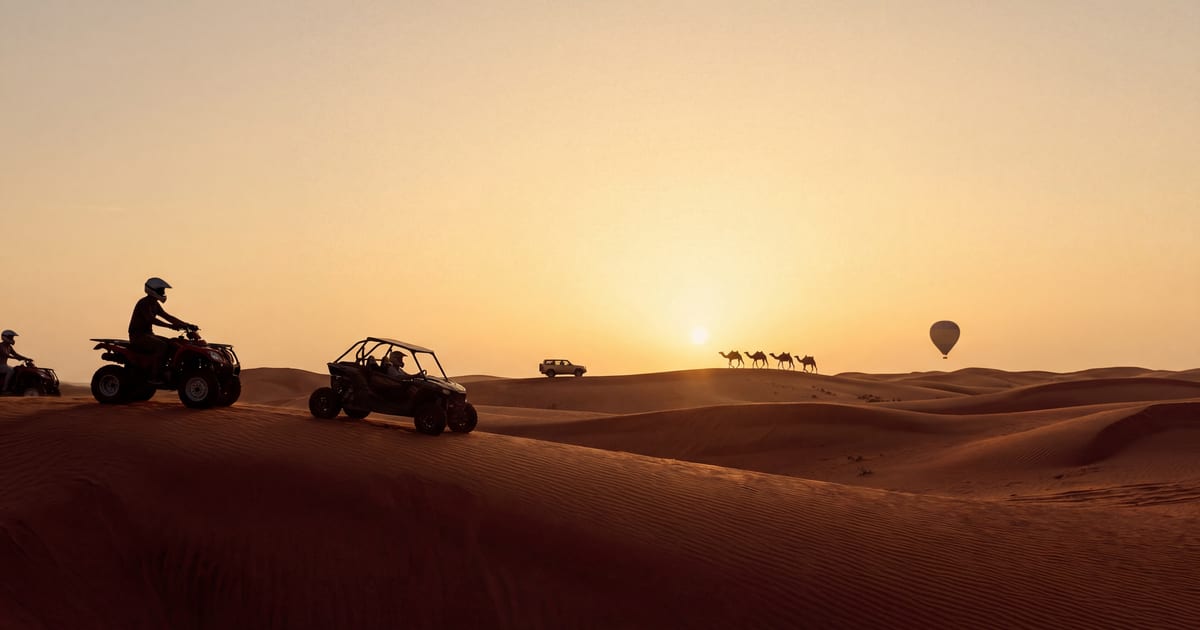
Ask what the briefing covers before the ride begins. A useful briefing should explain hand signals, stopping distance, riding lines, and what to do if the group spreads out. It should also make expectations clear about speed, overtaking, and staying within marked areas. When choosing among options such as ATV Dubai Desert, the value of a clear safety process should weigh as much as the route or the vehicle.
Listen for signs of a disorganised setup. Vague answers, rushed instructions, or pressure to skip gear are warning signs. A good rider does not need a complicated talk, but does need to know how to stop, turn, and signal in a group. If the route passes near other vehicles or public areas, that becomes even more important.
Vehicle type and riding level
Not all quads feel the same. Smaller machines may suit newer riders, while larger ones can feel heavier and more powerful. Power is not always the mark of a better ride. On sand, control and predictable handling often matter more. Ask whether machines are matched to rider size and experience, and whether there is an option for a more gentle route.
The level of the group also changes the experience. A mixed group may move at a slower pace, which can be good for beginners but frustrating for riders seeking speed. A tightly paced group can feel exciting yet demanding. Be honest about ability when booking, because an overly ambitious choice can turn a fun ride into a tense one.
Transmission style is another detail worth checking. Some riders find automatic machines easier because they can focus on balance and steering. Others prefer more control. If this matters, ask before arrival instead of trying to adjust on the day.
Timing, weather, and desert conditions
Desert rides feel different across the day. Earlier slots may be cooler, while later slots may bring softer light and long shadows. Midday heat can be draining, especially during longer rides or stops in open sand. Wind can lift sand into the air and reduce visibility. A little planning around conditions can improve comfort without changing the whole booking.
Weather does not need to be dramatic to affect the ride. After windy days, sand may sit differently across the route. Warm temperatures can make helmets and gloves feel heavier. If a ride includes a stop for photos, consider whether there will be shade and water available. These details may seem small, but they shape how the ride feels from start to finish.
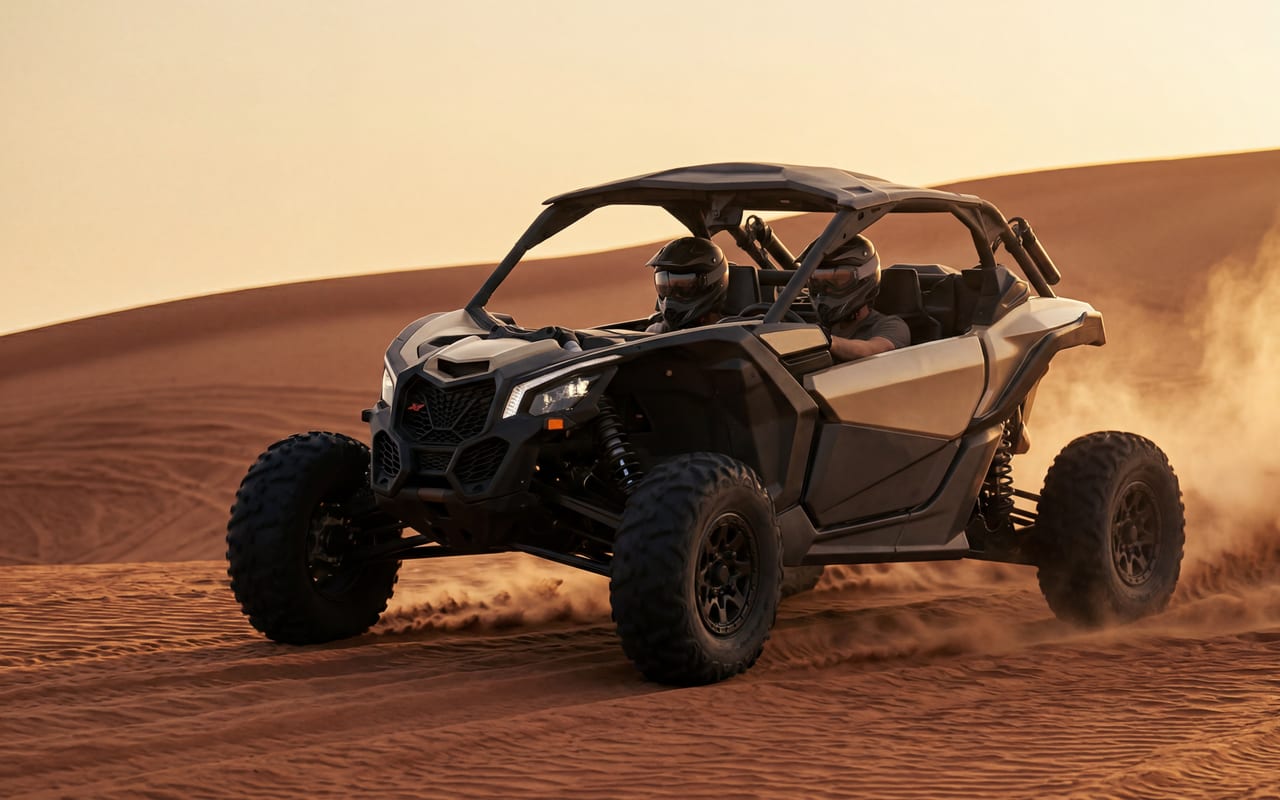
Season also plays a part. Cooler months may allow longer time outside, while hot periods call for shorter sessions and more careful pacing. Rather than chasing the lowest temperature, look for a slot that fits the rider's tolerance and the overall plan for the day.
Booking terms and what is included
Before paying, read the booking terms with care. Check the meeting point, start time, duration, and whether there is a window for arrival. Ask what is included in the ride itself, such as safety gear, guidance, or refreshments. If transport is part of the plan, confirm the pickup area and whether it is shared or private. A clear booking removes guesswork on the day.
Cancellation and rescheduling rules deserve attention too. Weather can disrupt outdoor plans, and travel schedules can change. Knowing the terms in advance avoids frustration later. Keep written confirmation of the booking details, including the date, time, and meeting location. That record is useful if plans need to be clarified.
Group size can affect the pace and the amount of individual attention. A smaller group may feel calmer and more flexible, while a larger group may have a lively atmosphere. Neither is automatically better. The right choice depends on whether the rider wants space, company, or a bit of both. When comparing names such as ATV Dubai Desert, focus on the ride details that are actually stated, not on assumptions drawn from a name.
Questions worth asking before you pay
A short set of questions can prevent most booking surprises. The answers should be direct, specific, and easy to understand. If a reply feels vague, ask again in a different way. This is not about being difficult. It is about making sure the ride matches the rider.
- What route is used, and how much of it is open sand compared with firmer tracks?
- What safety gear is provided, and should riders bring anything extra?
- How is the group paced, and can beginners request a slower ride?
- What happens if weather or poor visibility disrupts the session?
- What is included in the booking, and what costs extra?
Personal preparation on the day
Arrive with enough time to settle in, listen to the briefing, and fit gear without rushing. Wear practical clothing that allows movement and covers the skin from sun and sand. Closed shoes are better than sandals. Tie back long hair and avoid loose scarves or jewellery that could snag. Bring water if the booking does not make refreshments clear.
Eat lightly before the ride. A heavy meal can feel uncomfortable during bumps and turns. Apply sun protection before leaving, and reapply when needed during longer stops. A phone or small camera can be useful for photos, but it should be secured so it does not become a distraction. The best preparation is simple: travel light, listen carefully, and keep attention on the route.
Drivers should also think about the journey to the meeting point. Desert access roads and entry points can be confusing if directions are unclear. Save the location in advance and allow extra time for delays. A calm arrival sets a better tone than a rushed one.
Judging value beyond the headline
A desert ATV ride is easy to judge by duration or vehicle size, but value is broader than that. Clear communication, sensible safety habits, a suitable route, and honest rider matching all matter. A shorter ride with good structure may feel better than a longer one that moves too fast or lacks direction. Conversely, an experienced rider may find a gentle route dull, even if everything runs smoothly.
Think about the whole outing, not just the time on the machine. Travel to the start point, time spent waiting, group pace, and the return plan all affect the day. The most useful comparison is between what the rider wants and what the booking clearly offers. Once those align, the ride is far more likely to feel worth the effort.
❧